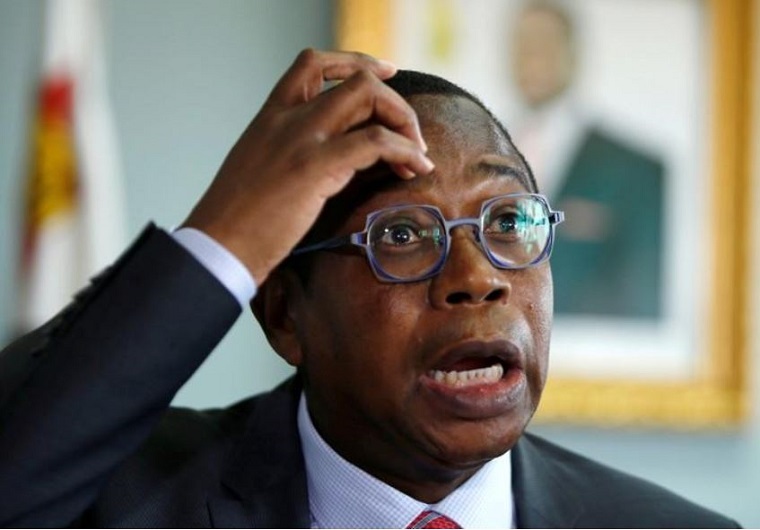
The government is running a budget surplus for the first time in years and has stopped runaway money printing, which led to hyperinflation of 500-billion percent in 2008.
Last month the central bank raised its overnight lending rate to 50% to protect the local currency after ending a decade of dollarisation.
Ncube, a former chief economist at the African Development Bank, agreed to a staff monitoring programme with the IMF in May, under which Harare promised not to borrow offshore and to cut reliance on the central bank to finance deficits.
All that points to a government willing to break with the ruinous policies of the past under former president Robert Mugabe, economic analysts say. And yet Zimbabwe’s inflation has soared to its highest level in a decade, hitting an annual 175% in June.
So what is wrong?
For a start, government reforms to set fiscal discipline, which could earn future funding, include gradually ending fuel subsidies and increasing electricity tariffs to reflect costs — steps that will in the short term lead to more price increases.
Also, analysts note, more than 80% of Zimbabweans earn a living in the informal sector, from hawking fruit on city sidewalks to selling used clothes on dusty open spaces. That sector is typically unresponsive to the kinds of fiscal and monetary policy tools used by finance ministers and central bankers to lower prices and stimulate the economy.
Meanwhile, a severe drought has left a third of the 15-million population needing food aid, further pressuring prices.
But arguably the biggest driver of inflation expectations in the economy is the lack of confidence many Zimbabweans have in the country’s economic polices and its national currency, said Jee-A van der Linde, an economist at NKC African Economics.
“The Zimbabwean consumer is highly sceptical over government policy, and for good reason, and trying to hammer in confidence through regulation and restrictions has historically not proven very successful,” he said.
Though Mugabe was ousted after a de facto coup in 2017, many doubt that Zimbabwe’s new rulers can deliver the economic change they seek because they are the same people who propped up the former strongman for decades.
Hope that the economy would quickly rebound under President Emmerson Mnangagwa quickly turned to despair as shortages of foreign currency, fuel, medicines and bread persisted.
Continued next page
(227 VIEWS)
Page: 1 2
Zimbabwe has been ranked third among the least free countries in Southern Africa but it…
I had always considered it a curse for a wife to die before her husband.…
This is a true story about the challenges and loneliness I faced when my wife…
My first long-form article in booklet form: Why I had a girlfriend two months after…
The editor and publisher of The Insider, Charles Rukuni, has started a whatsapp channel through…
A friend who knows about my legal battle with Zimbabwe’s richest man, Strive Masiyiwa, way…