To win over the international community, President Emmerson Mnangagwa and his ZANU-PF party needed credible, if not free and fair, elections.
For a time, it seemed they were succeeding but in the immediate aftermath of election day, hopes of a relatively smooth path to re-engagement began to fade.
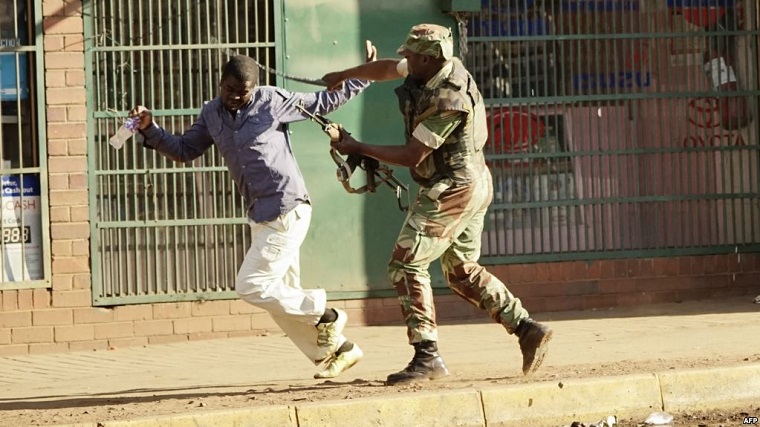
The use of the military to crush a demonstration by opposition party supporters firing live ammunition killing six people including innocent bystanders crossed a red line for Western donors and lenders.
The subsequent disruption of an MDC press briefing, the reported attacks on MDC supporters in high density areas over the previous weekend, the arrest of former finance minister Tendai Biti and media reports of infighting within the military-backed regime over who was culpable for the own goals undid the positives achieved on polling day itself.
As if to cap it all, the President-Elect decided to intervene in the legal process by ordering Mr Biti’s release on bail prompting opposition claims that the country’s legal system is susceptible to political pressure.
Well-intentioned though President Mnangagwa’s motives may have been, the timing – the Constitutional Court is about to hear the opposition’s challenge to the election results – could hardly have been worse.
Only time will tell how what impact these events will have on the government’s re-engagement game plan.
The US government’s hard-line statement concluding that “an electoral process marred by violence that does not respect constitutional rights and procedures” is not a step toward a brighter future for Zimbabwe’s citizens has set the tone.
Coming on the heels of President Trump’s re-imposition of limited economic sanctions against Zimbabwe and re-affirmation of the Zimbabwe Democracy and Economic Recovery Act (ZIDERA), it highlights the serious political obstacles to re-engagement.
Even before the process can start, Harare must clear $2 billion in arrears owed to multilateral lenders – the World Bank, the African Development Bank and the European Investment Bank.
Only when that is done, will talks start with the IMF on a lending programme whose conditionalities are certain to include structural reforms of a kind that in the past, ZANU-PF refused to contemplate.
Assuming an IMF programme can be reached, Zimbabwe will then have to negotiate a debt-restructuring and hopefully debt-forgiveness package with the Paris Club of official creditors (donors).
Continued next page
(353 VIEWS)
This post was last modified on August 15, 2018 8:13 am
Page: 1 2
Zimbabwe has been ranked third among the least free countries in Southern Africa but it…
I had always considered it a curse for a wife to die before her husband.…
This is a true story about the challenges and loneliness I faced when my wife…
My first long-form article in booklet form: Why I had a girlfriend two months after…
The editor and publisher of The Insider, Charles Rukuni, has started a whatsapp channel through…
A friend who knows about my legal battle with Zimbabwe’s richest man, Strive Masiyiwa, way…