Zimbabwe’s central bank says the country has reduced its foreign payments backlog by more than 50 percent to $185 million, largely due to forex flows from ongoing tobacco sales and improved dollar deposits.
Businesses, especially manufacturers and mines, have been struggling to make foreign payments since the banknote shortage intensified at the beginning of 2016.
Zimbabwe dumped its inflation-ravaged dollar in 2009, adopting the use of the United States dollar and, to a lesser extent, South Africa’s rand.
However, a widening trade gap, on the back of declining local production, and illicit financial flows have left the country in a liquidity trap.
Government has drawn up a priority list for foreign payments and imposed a ban on some imports it deems to be non-essential in a bid manage the little available foreign currency.
But mining companies, classified as a high priority sector on the list, have complained of payment delays of up to three months, affecting production.
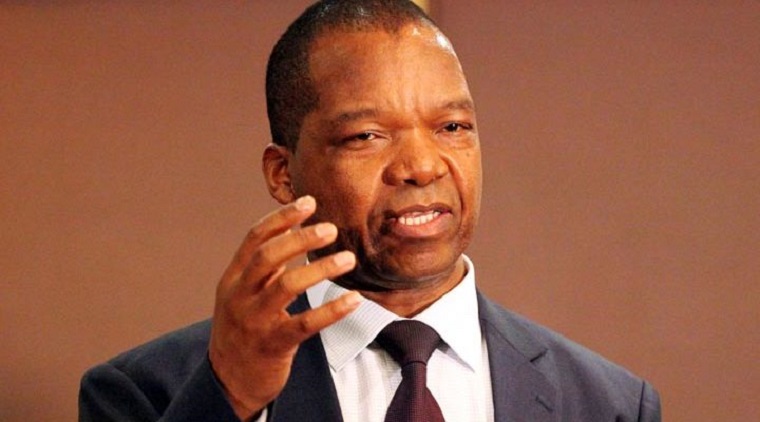
In a statement yesterday, Reserve Bank of Zimbabwe governor John Mangudya said the situation was improving, thanks to a good 2016/17 farming season — chiefly tobacco output and sales — as well as forex facilities availed by the African Export Import Bank (Afreximbank).
Tobacco is the country’s second largest foreign currency earner after gold, grossing $930 million last year.
Continued next page
(145 VIEWS)
This post was last modified on May 4, 2017 6:53 am
Page: 1 2
Zimbabwe has been ranked third among the least free countries in Southern Africa but it…
I had always considered it a curse for a wife to die before her husband.…
This is a true story about the challenges and loneliness I faced when my wife…
My first long-form article in booklet form: Why I had a girlfriend two months after…
The editor and publisher of The Insider, Charles Rukuni, has started a whatsapp channel through…
A friend who knows about my legal battle with Zimbabwe’s richest man, Strive Masiyiwa, way…