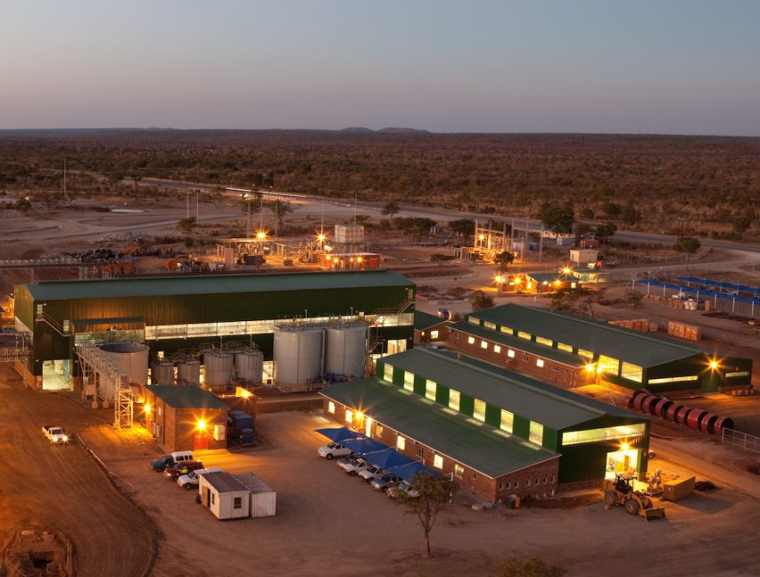
Generally, public interest in the governance of minerals is compounded by the fact the resources are finite natural public assets. And the extraction of minerals, if not well managed, can leave communities within and surrounding areas worse off.
Mining is synonymous with the destruction of the environment, involuntary displacements, and discretion of cultural sites. Confirming the oxygen supplies to the economy from mining, the Reserve Bank highlighted in its 2023 Monetary Policy Statement that nearly 76 cents per every dollar generated from exports in 2022 was minted from mining.
In total, mineral exports generated US$5.6 billion in 2022, the bulk of which emanated from gold and platinum, 84.08% to be precise. Chrome ore and ferrochrome contributed 4.39%, diamonds 2%, and other minerals 9.53%. Adding the lithium prospects, driven by a flurry of investments, mainly Chinese, mining fingerprints are set to be all over the economy from 2023 onwards.
With this background, this article analyses the mining royalty measures included in the MMAB to contribute to public policy formulation debates and discussions. Mineral royalty issues discussed in this article cover:
Continued next page
(285 VIEWS)
This post was last modified on March 4, 2023 5:57 pm
Zimbabwe has been ranked third among the least free countries in Southern Africa but it…
I had always considered it a curse for a wife to die before her husband.…
This is a true story about the challenges and loneliness I faced when my wife…
My first long-form article in booklet form: Why I had a girlfriend two months after…
The editor and publisher of The Insider, Charles Rukuni, has started a whatsapp channel through…
A friend who knows about my legal battle with Zimbabwe’s richest man, Strive Masiyiwa, way…