Zimbabwe was one of the seven countries whose income status was changed by the World Bank in its 2019-2020 classifications by income.
The World Bank has four income groups:
Zimbabwe’s per capita income for the current year was pegged at US$1 790 up from US$910 last year.
The other countries that moved from the low income group are Comoros and Senegal.
Three countries- Georgia, Kosovo and Sri Lanka- were upgraded from the lower-middle income group to the Upper-Middle income group.
Only one country, Argentina, was downgraded from high income to upper-middle income.
The World Bank says the classification of countries is determined by two factors:
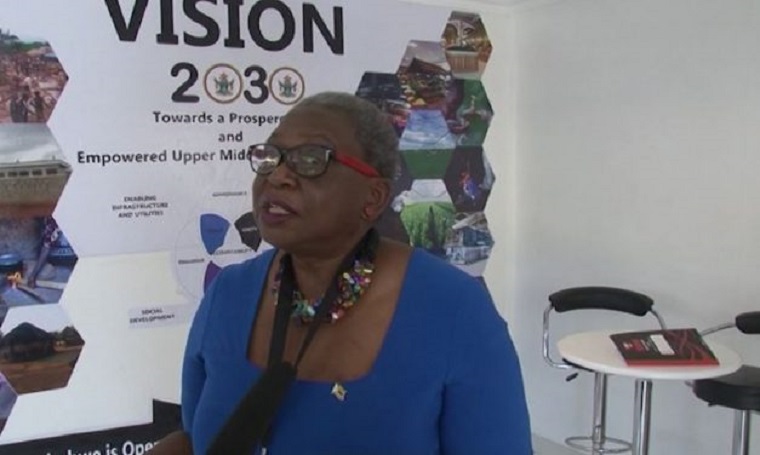
The upgrading of Zimbabwe falls into line with President Emmerson Mnangagwa’s vision to transform the country into an upper-middle income country by 2030.
It is, however, not likely to go down well with the ordinary Zimbabwean as life seems to have become tougher over the past nine months, especially after the country floated its local currency and prices rocketed.
Business, however, seems to have welcomed the recent currency changes as it believes this will spur production.
(373 VIEWS)
Zimbabwe has been ranked third among the least free countries in Southern Africa but it…
I had always considered it a curse for a wife to die before her husband.…
This is a true story about the challenges and loneliness I faced when my wife…
My first long-form article in booklet form: Why I had a girlfriend two months after…
The editor and publisher of The Insider, Charles Rukuni, has started a whatsapp channel through…
A friend who knows about my legal battle with Zimbabwe’s richest man, Strive Masiyiwa, way…