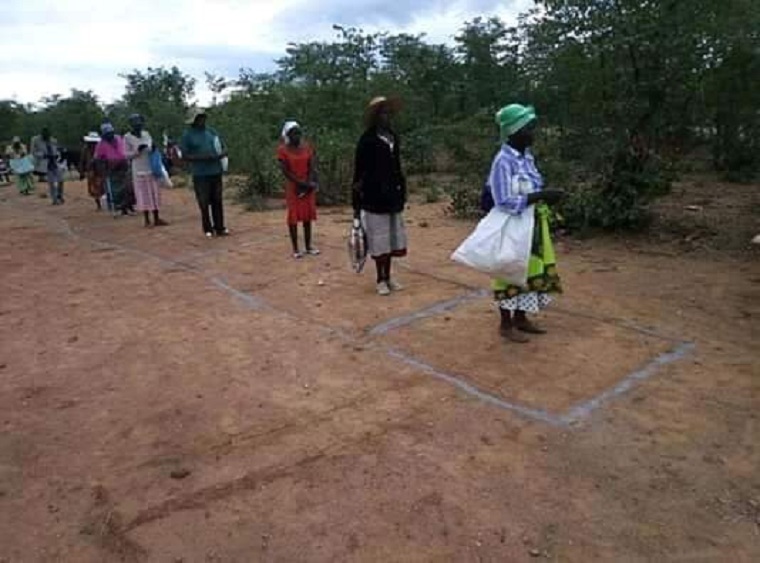
African countries have joined the rest of the world in imposing severe restrictions on human mobility in a bid to contain the COVID-19 pandemic.
With the rapid rise of infection rates—which approached 1.3 million globally and 8 000 in Africa as of this writing (9 April)—social distancing and other public health measures are crucial for reducing further contagion.
The immediate focus of policymakers on improving the capacity of health care systems to test, isolate, and treat patients has been appropriate considering the millions of lives at risk.
At the same time though, social distancing restrictions have disrupted the livelihoods of tens of millions, exposing vast populations to an acute financial shock.
Many countries, such as Nigeria and Cameroon, have introduced strict lockdown measures that closed business without sufficient mitigation measures to assist the affected individuals and households.
For the poor without the luxury of bank savings or a resort to credit cards, public health measures that cut their lifeline of daily income could appear to offer a cure that is as bad as the sickness.
Such measures, then, will also be highly ineffective, as people are more likely to disobey the law rather than stay at home and go hungry. Given these devastating potential consequences, it is ethically questionable to bar people from working without offering a means to support their basic needs.
Thankfully, Africa’s agrarian households—which make up more than half of the total population—will be comparatively insulated from potential food shortages as they produce most of their own consumption needs.
A disadvantage in normal times due to its low productivity, subsistence farming offers the benefit of self-reliance, shielding farmers from the immediate costs of trade restrictions induced by COVID-19.
Likewise, paid urban workers, most of whom work for the government or state enterprises, will face limited financial crises unless the provision of food supplies becomes severely strained or inflation skyrockets.
Continued next page
(224 VIEWS)
This post was last modified on April 11, 2020 10:54 am
Page: 1 2
Zimbabwe has been ranked third among the least free countries in Southern Africa but it…
I had always considered it a curse for a wife to die before her husband.…
This is a true story about the challenges and loneliness I faced when my wife…
My first long-form article in booklet form: Why I had a girlfriend two months after…
The editor and publisher of The Insider, Charles Rukuni, has started a whatsapp channel through…
A friend who knows about my legal battle with Zimbabwe’s richest man, Strive Masiyiwa, way…