The Conservative Party, to its credit, has been an advocate of NGOs for at least a generation. When I was working for NGOs in the 1990s, Lynda Chalker— now the noble Baroness, Lady Chalker—was the first Development Minister to see NGOs as a necessary and efficient alternative to what was offered by government. So began an era which fitted comfortably with the Labour Government from Clare Short up to Gordon Brown, who became a champion of small-scale development and lending to the poorest countries. Perhaps the Minister could confirm the continuation of that policy, as it needs to be restated.
Today I simply wanted to highlight an area of human rights which is continually neglected: the right to life, especially in the case of developing countries today, which may carry no responsibility for it. With that, I much look forward to the comments of others, including the noble Baroness, Lady Hoey, who I know has carried the torch in another place for many years on this subject.
16:54:00
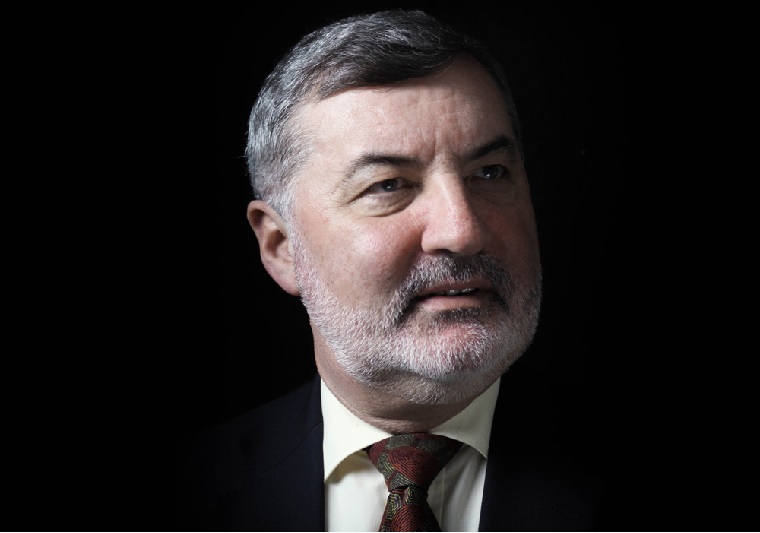
Lord Alderdice (LD)
My first engagement with the name “Zimbabwe” was in Liverpool in 1973, when I was attending an ecumenical religious event. I came away sporting a “Free Zimbabwe” badge, and for an idealistic young outsider like me the situation seemed a relatively simple story of good guys and bad guys. For us as liberals, Ian Smith and his regime were clearly the bad guys, so those who replaced them were the good guys—until it became clear when they took over that they were not. It was increasingly apparent that Robert Mugabe and his party were not just “not the good guys” but really rather bad guys, and so Morgan Tsvangirai and his people must be the good guys. But when they ran into difficulties in ousting Mugabe, relations within the party deteriorated and there was an unpleasant split, which was obviously going to make it more difficult to defeat Mugabe—divided oppositions are always at a disadvantage.
In 2006, I was asked to meet in South Africa leading figures in the two MDC groups that were led by Arthur Mutambara and Morgan Tsvangirai. That is when it became clear to me that it was not a simple picture at all, for although I was able to negotiate an agreement between the two MDC factions on how they would manage their relationship in the future, when they took it back to Morgan, he rejected it. He went on to become Prime Minister but that did not resolve relationships within the country. If it had, we would not be having this debate this afternoon. I now take the view that it is generally unwise in the context of a political division in another country to address the problem as a simple matter of bad guys who should be punished and good guys who should be assisted. When a full-scale war breaks out, a new dynamic emerges and one is often forced to take sides but, in the context of political divisions, it is often better to address the problem of the disturbed relationship between the two or more partisan groups rather than simply back one side against the other.
Continued next page
(806 VIEWS)
This post was last modified on May 2, 2022 6:05 pm
A British legislator who has been a strong critic of Zimbabwe has asked the United…
Britain is still against Zimbabwe’s rejoining of the Commonwealth arguing that Harare needs to take…
Zimbabwe, which aims to become an upper middle income country in five years, is one…
Eighty-one-year-old Dorcas Makaya is likely to be evicted today from the plot that she bought…
Six plot holders at Irene Township in Mutasa who were told that they would be…
While the International Monetary Fund staff monitoring team that was in Zimbabwe until today supports…
View Comments