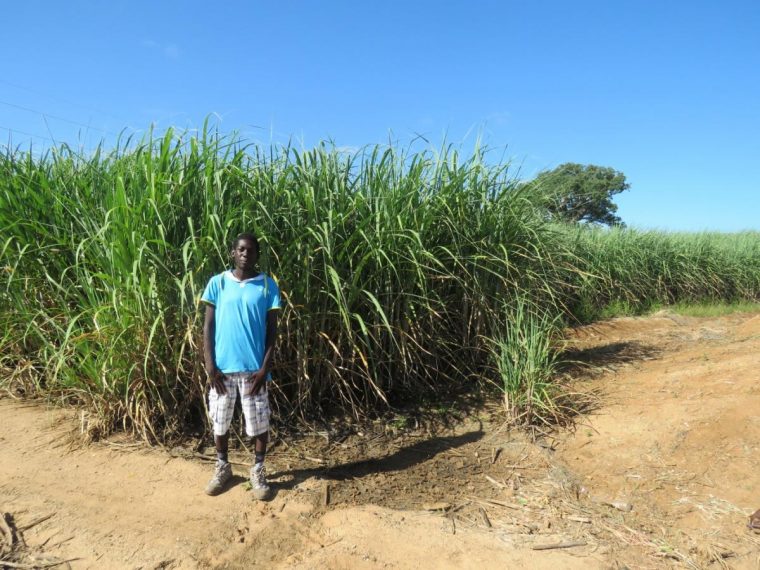
In 2000, as land invasions occurred around Zimbabwe, there were many calls for the sugar estates to be taken over. Indeed, there were a number of occupations of ‘white’ outgrower farms on the lowveld estates.
This coincided with major strikes, and the burning of large areas of cane. Yet high-level negotiations and political manoeuvring averted wholesale takeover.
Despite the rhetoric, the strategic importance of the sugar industry to the national economy was recognised and the state and the sugar companies brokered compromises.
The result was the subdivision of former settler outgrower areas in Hippo Valley and Mkwasine estates and their transfer to now around 800 land reform beneficiaries who had applied through the A2 scheme, designed for medium-scale enterprises and suited to those with capital and expertise.
The sugar outgrower land reform represented nearly 16 000 ha, leaving about 30 000 ha as core estate land.
How have the new outgrowers fared? In a new open access paper published as part of the Journal of Southern African Studies special issue on the political economy of sugar in southern Africa, we explore this question with data over 12 years from Hippo Valley from 2002.
Following land reform, company officials, government extension agents and others were sceptical that the new outgrowers would be able to supply sugar in amounts and at the quality required for Tongaat Hulett’s two mills at Triangle and Hippo Valley.
They argued that the new outgrowers were given portions of land that were ‘unviable’, and that commercial sugar growing could only occur on irrigated plots of more than 35 ha.
Further, they argued that the land reform beneficiaries did not have the skills for the highly technical and demanding process of sugar production.
And finally they suggested that a politically-driven land reform process was inimical to economically successful production, and that the investors would flee, abandoning Zimbabwe for more stable contexts.
In the years since, the sceptics have been proven wrong. Outgrowing on A2 resettlement plots is now a central part of the business, supplying 852 000 tonnes of cane in 2013 of a total throughput of 3.9 million tonnes.
Yields are up too, with our sample of cane farmers producing 86 tonnes/hectare since 2009, higher than the estate average of 83 tonnes/hectare in 2014.
Continued next page
(369 VIEWS)
This post was last modified on October 10, 2016 7:49 am
Four of the world’s largest banks are all in China. Assets of the Industrial and…
Zimbabwe is one of the 27 countries in the world where the richest 0.1% of…
Zimbabwe has been ranked third among the least free countries in Southern Africa but it…
I had always considered it a curse for a wife to die before her husband.…
This is a true story about the challenges and loneliness I faced when my wife…
My first long-form article in booklet form: Why I had a girlfriend two months after…