According to an unpublished “kitchen table survey,” conducted before last November’s presidential election in the United States, approximately 95% of the predominantly Hispanic members of one of America’s largest domestic unions preferred the Democratic candidate Hillary Clinton to her Republican opponent Donald Trump.
Yet less than 3% of that union’s members actually planned to vote.
The reason came down to economics.
For most of the people surveyed, the costs of voting – including lost wages from time off work, transport to the polling station, and the need to secure proper identification (such as a driver’s license or passport) – were simply too large.
This reflects a broader trend in the US, with poor Americans often unable to participate fully in their country’s democracy.
According to the US Census Bureau, fewer than half of eligible adults with family incomes of less than $20 000 per year voted in the 2012 presidential election, whereas voter participation among households with incomes of more than $75 000 was 77%.
In the 2014 midterm election, the think tank Demos reports, 68.5% of people in households earning less than $30 000 per year didn’t vote.
This is a serious problem.
But the proposals most often put forward to address it have serious drawbacks.
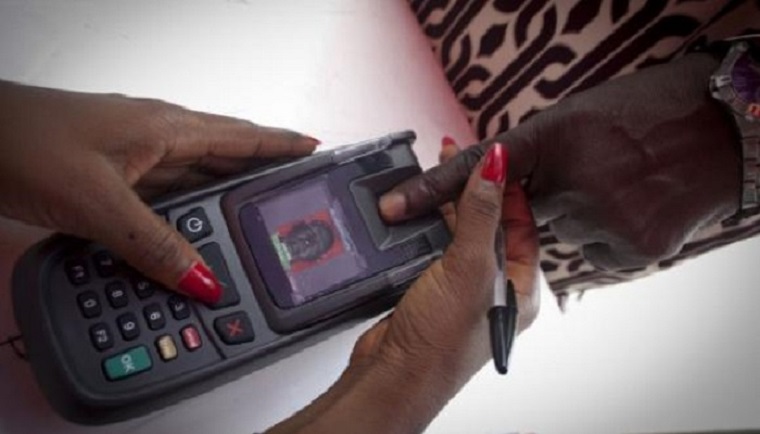
The proposed solutions typically focus on digital technology, which many claim would boost voter participation, by lowering the costs of voting.
For example, mobile apps have been touted as a means to boost voter turnout: people could vote at their convenience, whether in the break-room at work or from the comfort of their own home.
The idea certainly sounds appealing.
Continued next page
(276 VIEWS)
This post was last modified on July 8, 2017 9:04 pm
Zimbabwe has been ranked third among the least free countries in Southern Africa but it…
I had always considered it a curse for a wife to die before her husband.…
This is a true story about the challenges and loneliness I faced when my wife…
My first long-form article in booklet form: Why I had a girlfriend two months after…
The editor and publisher of The Insider, Charles Rukuni, has started a whatsapp channel through…
A friend who knows about my legal battle with Zimbabwe’s richest man, Strive Masiyiwa, way…