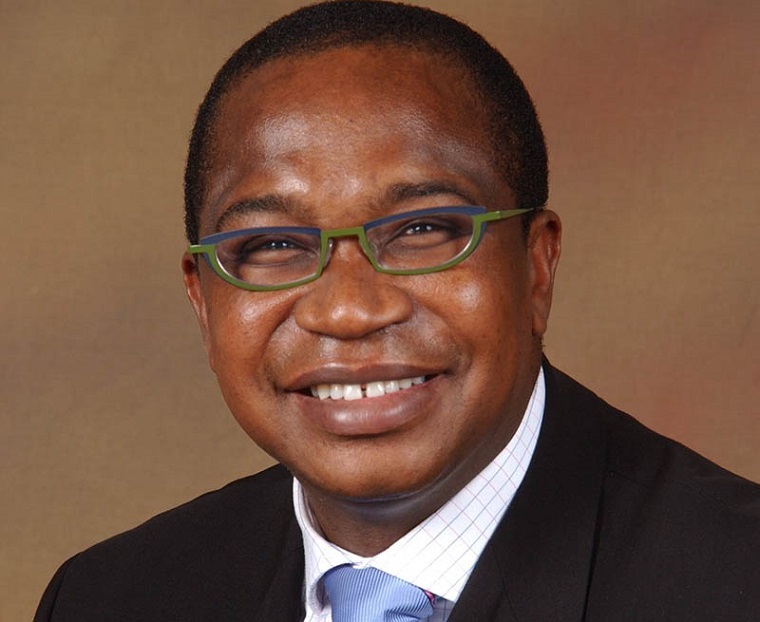
More importantly, this will be an opportunity to prove that he has the backbone to stand up for Treasury’s independence and display its resolve in achieving long-term fiscal sustainability.
After all, that is the reason why he was headhunted by the Mnangagwa administration, in theory at least.
The exact details of his coming on board as minister are not public but if there is any truth to rumours that he was initially hesitant, then he will have some considerable clout in pushing his agenda, to the extent that he had to be courted to accept the post.
Events following his appointment as minister have been anything but smooth, however. The seemingly never-ending contradictory statements from Treasury and the central bank have all but contributed in creating warped market perceptions and interpretations of policy.
October’s consumer panic-buying delirium, amid pervasive pricing distortions has become the embodiment of the unwanted effects flawed communications from his office can have. Treasury will have to avoid such a recurrence with a lucid budget statement, come November 22.
Ncube’s inaugural budget statement will undoubtedly build upon his Transitional Stabilisation Plan, which mainly focuses on ensuring a steady macro-economic environment and the enacting of reforms toward a private sector led economy.
Treasury anticipates GDP to grow at 9% in 2019, according to the TSP, although this is likely to be reviewed downward as the year progresses.
Much like most emerging markets reeling under the pressure of muted growth, where “fiscal consolidation” has become the by-word, this too will be the overarching theme of the budget statement.
Following the public backlash after the introduction of the Intermediated Money Transfer Tax (IMTT), Treasury will have limited legroom to further hike taxes to fund its expenditure.
Treasury may find recourse in increasing sin taxes on alcohol and tobacco related products, which has been its backstop over the years.
Ncube might even be creative and introduce a sugar tax, just as South Africa did in 2017, or offer little compensation against bracket creep – a phenomenon occurring when inflation pushes wages and salaries into higher tax brackets – as he seeks to find more revenue for the fiscus.
Continued next page
(472 VIEWS)
This post was last modified on November 13, 2018 2:49 pm
Zimbabwe has been ranked third among the least free countries in Southern Africa but it…
I had always considered it a curse for a wife to die before her husband.…
This is a true story about the challenges and loneliness I faced when my wife…
My first long-form article in booklet form: Why I had a girlfriend two months after…
The editor and publisher of The Insider, Charles Rukuni, has started a whatsapp channel through…
A friend who knows about my legal battle with Zimbabwe’s richest man, Strive Masiyiwa, way…