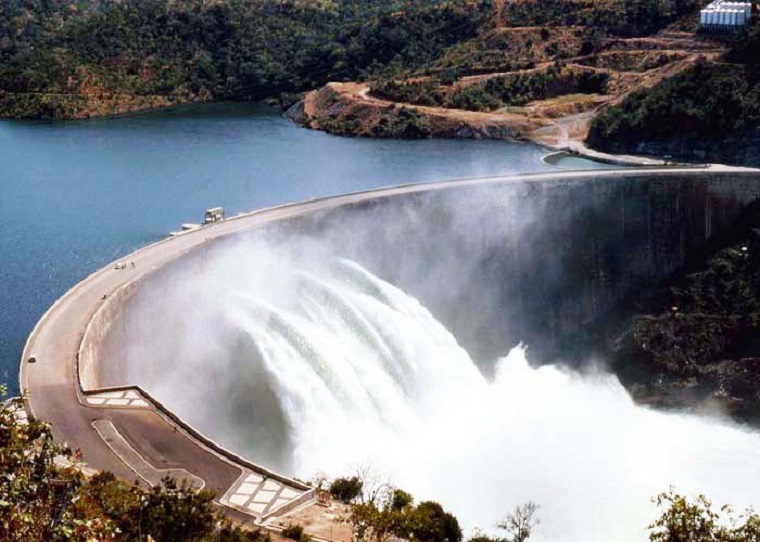
The Zambezi River Authority, co-owned by the two governments which manages the dam, will allocate the countries 16 billion cubic meters of water to be shared equally next year, Zambia’s Energy Minister Peter Kapala said in comments broadcast on state-owned ZNBC TV at the weekend. The previous lowest water allocation was 20 billion cubic meters in 2016, the authority said Wednesday.
Water levels have fallen to about 11.5% of usable storage as of 18 December. This has severely cut power supplies from the dam. Zimbabwe was generating just 450MW from Kariba, according to data from the Zimbabwe Power Company on Thursday. This is less than half of the plant’s installed capacity.
Zimbabwe completed two new units at the Hwange power plant this year, adding a combined 600MW to the grid. However, the units are still going through their commissioning phases, which means they are regularly taken offline for routine maintenance. Hwange’s six older units break down often, and are to be refurbished over the next five years using a US$310 million loan from the Indian Export-Import Bank.
However, even these new projects will not be enough to meet rising demand. ZESA says it has orders of additional power installations amounting to over 2350MW, mostly from mines. According to a new World Bank report, power demand will rise from the current 1950MW to 5100MW by 2030. The Bank estimates that Zimbabwe’s power shortages cost the country 6.1% of GDP every year.
(148 VIEWS)
This post was last modified on December 21, 2023 3:19 pm
Zimbabwe has been ranked third among the least free countries in Southern Africa but it…
I had always considered it a curse for a wife to die before her husband.…
This is a true story about the challenges and loneliness I faced when my wife…
My first long-form article in booklet form: Why I had a girlfriend two months after…
The editor and publisher of The Insider, Charles Rukuni, has started a whatsapp channel through…
A friend who knows about my legal battle with Zimbabwe’s richest man, Strive Masiyiwa, way…