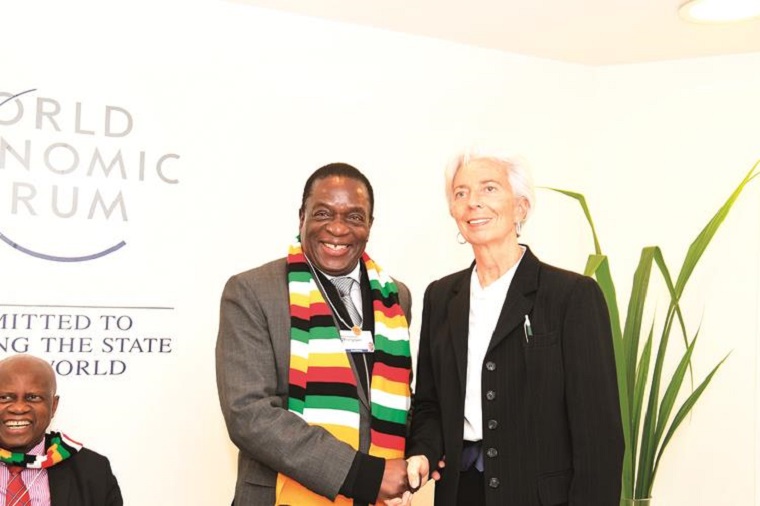
President Emmerson Mnangagwa, who took power when Robert Mugabe was removed in a de facto coup last November, has been trying to woo investors ahead of an election on July 30, a contest in which he is the narrow favourite.
Mnangagwa, a 75-year-old former ally of Mugabe, says he has already secured $15 billion of foreign investment, including from foreign multinationals, although these are mostly non-binding commitments, according to analysts from local financial advisory firms who reviewed the agreements.
In May, General Electric said it would look at healthcare, power and transport in Zimbabwe, while Coca Cola said it planned to make the country an export hub for juice and other products, and a source of raw materials.
Most big companies however are waiting until after the election to make their move although already the atmosphere has changed since the fall of Mugabe, whose nearly four decades in power brought a promising economy to its knees.
Harare taxi drivers say they are hearing more foreign languages in their cabs, businessmen gather around laptops at restaurants, and the often sleepy international airport is buzzing with newcomers.
But, so far, most are leaving frustrated and empty-handed.
“It’s like the Wild West,” the European businessman said, paying his bill in crisp US dollars to the delight of a waiter more used to the dreaded quasi-currency ‘bond notes’ introduced in November 2016.
After three days rushing between government ministries to get the deal done, the signed contract in his briefcase is useless since it lacks a guarantee from the central bank that he can access the dollars he needs to import equipment.
“Right, I better go deliver the bad news,” he said, rising to catch a taxi to the airport.
Reuters spoke to more than 20 investors, ranging from multinationals to entrepreneurs, who are interested in entering Zimbabwe for the first time or in expanding their businesses there since Mnangagwa was sworn in.
Continued next page
(444 VIEWS)
This post was last modified on July 14, 2018 7:52 am
Zimbabwe has been ranked third among the least free countries in Southern Africa but it…
I had always considered it a curse for a wife to die before her husband.…
This is a true story about the challenges and loneliness I faced when my wife…
My first long-form article in booklet form: Why I had a girlfriend two months after…
The editor and publisher of The Insider, Charles Rukuni, has started a whatsapp channel through…
A friend who knows about my legal battle with Zimbabwe’s richest man, Strive Masiyiwa, way…