Zimbabwe currently has a national electrification rate of 42%. While electricity has reached 83% of urban households, rural electrification is still around 13% as per the National Energy Policy of 2012.
Our estimated electricity demand is 2 300MW against the actual generation of below 1 100MW. The current output of 1 100MW is not sufficient to guarantee support for a rapid economic growth programme. The supplies are fraught with persistent outages. In addition, there are significant electricity losses as a consequence of aged and inefficient transmission and distribution networks.
The country has an installed capacity of about 2 300MW, with Zimbabwe Power Company (ZPC), a generation subsidiary of ZESA, owning around 95% of this. More than 50% of electricity is generated from hydropower power while the remainder is from thermal power plants.
Bagasse, mini-hydropower and small-sized grid-connected solar systems have an installed capacity of a paltry figure of less than 150MW. Against this background, the actual power generation capacity in 2022 averaged below 1 100MW against a peak demand of about 1 800MW.
The limited generation capacity is attributed to human capital capacity and quality of management due to corruption & cronyism at our utilities, poor financing, water wastage and availability at Kariba, old equipment which needs rehabilitation and limited coal availability and clean energy issues.
A New Great Zimbabwe economy needs to be driven by clean, and sustainable energy sources that will achieve net-zero by 2050 and also ensure a decarbonised economy.
The Citizens government will expand installed generation to at least 4.2MW by 2029 which we estimate will cost US$4.33 billion.
Current energy policies overlook the need for improving the share of renewable energy in the overall energy mix. It is just not prudent to use a hydropower station like Kariba which was designed mainly for peaking power, as a base load power station. Zimbabwe should focus on driving cost-effective implementation of sustainable energy sources, social upliftment through community involvement, gender equality and employment generation.
The renewable energy sector in Zimbabwe should consist of solar, hydro, wind, geothermal and biomass, which includes bagasse (sugarcane-based), biogas, forestry and sawmill waste, all of which have barely been fully exploited.
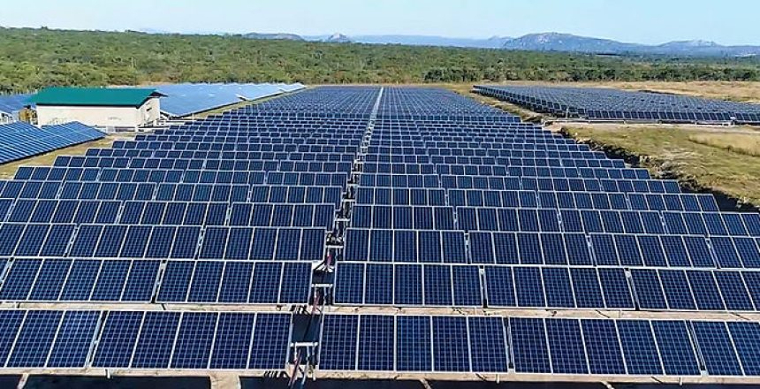
Zimbabwe has vast renewable energy resources that are presently underutilised. Our government will prioritise a clean energy investment that will make power shortages, load shedding and the current dark age a thing of the past.
Continued next page
(290 VIEWS)
Page: 1 2
Zimbabwe has been ranked third among the least free countries in Southern Africa but it…
I had always considered it a curse for a wife to die before her husband.…
This is a true story about the challenges and loneliness I faced when my wife…
My first long-form article in booklet form: Why I had a girlfriend two months after…
The editor and publisher of The Insider, Charles Rukuni, has started a whatsapp channel through…
A friend who knows about my legal battle with Zimbabwe’s richest man, Strive Masiyiwa, way…
View Comments