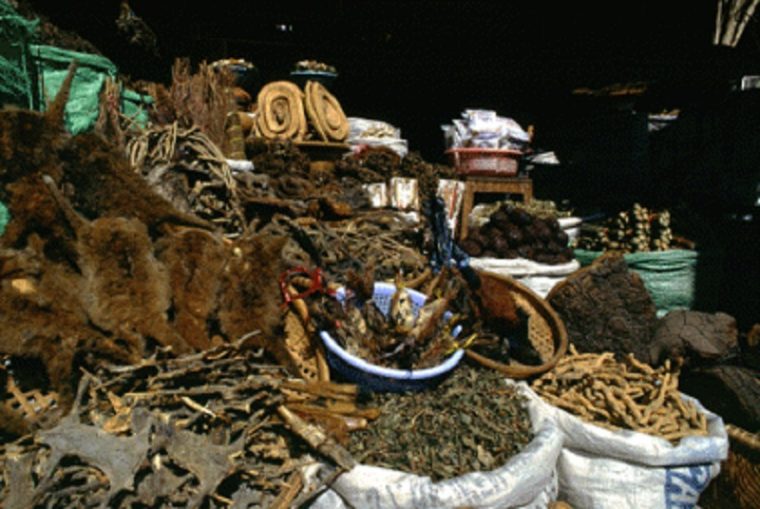
Africa is home to an extensive and diverse medicinal plant life. This includes commonly used herbs like Rooibos (Aspalathus linearis), Devil’s claw (Harpagophytum procumbens), Buchu (Agathosma betulina), Cape Aloe (Aloe ferox) and Hoodia (Hoodia gordonii).
These plant – or herb-based treatments have been a key part of the continent’s traditional medicinal practices for thousands of years.
Up to 80% of people in some areas regularly use traditional medicines and consult traditional health practitioners.
In some areas, traditional treatments are the main or only treatment because they are accessible, affordable and culturally accepted.
Numerous traditional African medicines are undeniably beneficial in treating disease or maintaining good health.
Some have even been the source of many prescription medicines. But there are challenges.
These include the fact that many consumers automatically assume “natural equals safe”. Another problem arises when people use traditional or herbal remedies together with prescribed medicines.
Part of the research my colleagues and I do at North-West University in South Africa is focused on understanding these combinations.
Which are harmful? Which could be beneficial? We’re looking at what’s known as “interactions” – the effect herbal medicines may have on the normal uptake, breakdown or activity of prescribed medicines.
Knowledge is key. Scientists need to conduct proper research to understand such interactions.
Consumers need to be taught about these interactions, whether good or bad, and to tell their healthcare providers about everything they’re taking.
Prescriptions of traditional African medicines tend to be secretive. They’re based on knowledge passed from generation to generation of traditional healers. This can result in vague doses.
Patients have been known to overuse some remedies while self-medicating. This can have severe health consequences. These include stomach upsets, liver damage and even kidney failure.
Some widely used natural health plant products which have been associated with adverse health effects because of misuse include Aloe vera, Echinacea (Echinacea purpurea) and Green tea (Camellia sinensis).
All of these natural remedies are generally considered “safe”, or even healthy by consumers since their use is not regulated or restricted.
Nothing indicates to the user that “too much of a good thing” could be dangerous.
Thanks partly to efforts by the World Health Organisation, access to Western medicine – especially for diseases like HIV/AIDS – is increasing across Africa.
More and more people tend to be using traditional medicine in combination with prescription medicines. Often none of their healthcare providers know about this and so cannot warn about possible interactions.
Continued next page
(242 VIEWS)
Page: 1 2
Zimbabwe has been ranked third among the least free countries in Southern Africa but it…
I had always considered it a curse for a wife to die before her husband.…
This is a true story about the challenges and loneliness I faced when my wife…
My first long-form article in booklet form: Why I had a girlfriend two months after…
The editor and publisher of The Insider, Charles Rukuni, has started a whatsapp channel through…
A friend who knows about my legal battle with Zimbabwe’s richest man, Strive Masiyiwa, way…