The United States Customs and Border Protection (CBP) announced yesterday that it had detained a diamond shipment from Zimbabwe’s Marange mines, saying it had obtained information that the gems had been produced using forced labour.
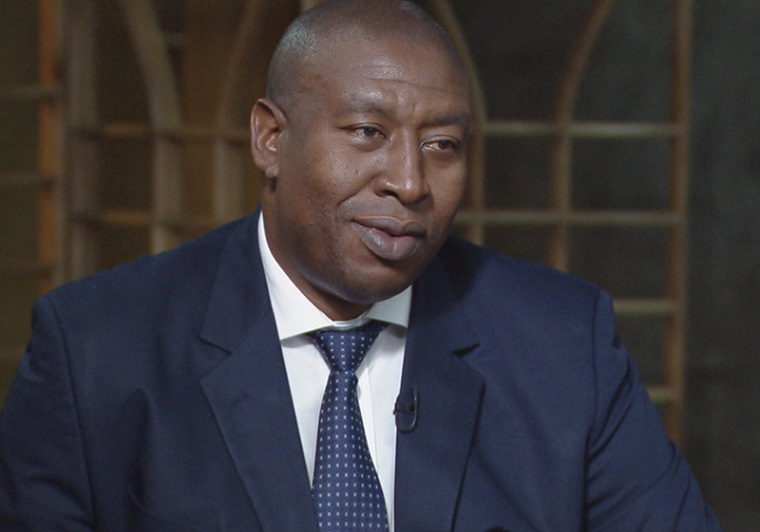
Farai Maguwu, head of the Centre for Natural Resource Governance (CNRG), which has campaigned for years against human rights abuses by diamond mining interests in Marange, said he was not aware of any forced labour in the diamond fields.
“I wish to make it clear that as leader of one of the organisations doing human rights work in Marange, we are not aware of cases of forced labour in Marange. This is mainly because artisanal miners go to Marange voluntarily,” Maguwu said today.
Maguwu’s CNRG is part of the Process Civil Society Coalition (KPCSC), a coalition of global rights groups lobbying for a new definition of conflict diamonds that could restrict market access for Zimbabwean gems.
At meetings of the Kimberley Process in India earlier this year, KPCSC lobbied for a new definition of blood diamonds that would include reference to “public security forces or private (including criminal or mercenary) armed groups”.
“To some, this may all sound like old news”, Maguwu told that meeting in India. “But for affected communities, it remains today’s tragedy.”
Maguwu and KPCSC have this year lobbied the United Nations to have Zimbabwean diamonds declared illegal. However, even he is surprised at claims of forced labour in the diamond fields.
“We have raised serious concerns with human rights of artisanal miners and the wider Marange community but in our analysis these do not amount to forced labour. Our work is guided by high ethical standards and as such we would never issue unverified information,” Maguwu said.
US law bars the importation of goods made using forced labour, which includes production by convicts, slaves, children or forced labourers.
The International Labour Organisation (ILO) defines forced labour as “all work or service which is exacted from any person under the threat of a penalty and for which the person has not offered himself or herself voluntarily”.
Continued next page
(334 VIEWS)
Page: 1 2
Zimbabwe has been ranked third among the least free countries in Southern Africa but it…
I had always considered it a curse for a wife to die before her husband.…
This is a true story about the challenges and loneliness I faced when my wife…
My first long-form article in booklet form: Why I had a girlfriend two months after…
The editor and publisher of The Insider, Charles Rukuni, has started a whatsapp channel through…
A friend who knows about my legal battle with Zimbabwe’s richest man, Strive Masiyiwa, way…
View Comments
So you got what you wanted and you now act as if you are in sympathy , idiot