Cigarette maker BAT’s after-tax profit plunged 45 percent to $8.48 million in the full year to December 2016, down from $15.4 million previously after a sharp decline in sales, the company announced today.
BAT registered a 25 percent decrease in revenue from $45.3 million to $34.1 million in the full year to December 2016. The company’s operating profit declined by 43 percent from $20.8 million in the previous year to $11.9 million.
The overall sales volume decreased by 20 percent from the previous year, although international premium Dunhill brand recorded an increase in sales volumes.
“Our local brands declined by 21.5 percent compared to the same period in 2015, whilst our Global Drive Brand, Dunhill grew by 7.2 percent compared to 2015 driven by a small but growing consumer base”, BAT finance director Lucas Francisco told analysts.
Francisco said administrative expenses went down by 3 percent to $10.4 million following a staff rationalisation exercise which was completed in 2015 and a reduction in management fees.
He said cash generated from operations was down 13 percent to $13.3 million as a the impact of declining profit was offset by improved collections, foreign payment delays and a decrease in inventory.
The company closed the year with $12.4 million cash compared to $3.9 million in 2015 due to an increase in net cash used in financing, attributable to the challenges the company is facing in paying foreign dividends.
“Net cash used in financing activities declined by $11.5 million due to lower dividend paid in 2016,” Francisco said.
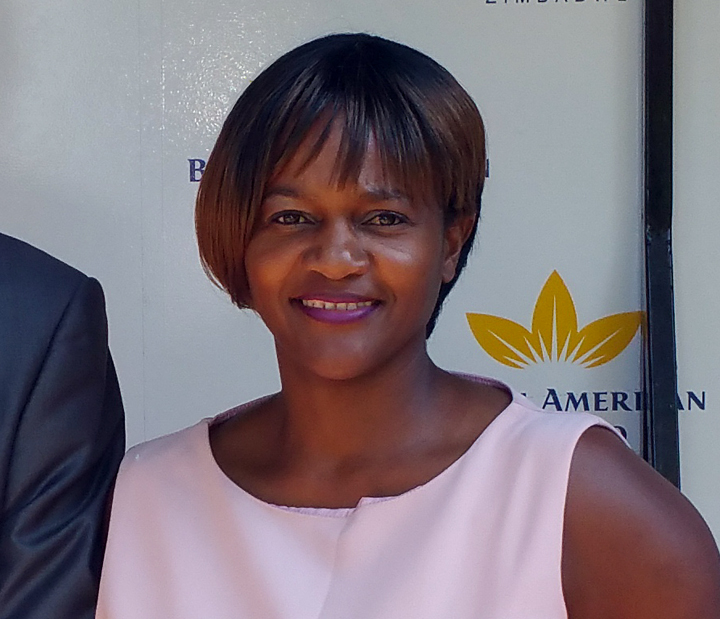
BAT managing director Clara Mlambo said the company has largely held its market share, which only dropped a marginal 1 percent from 80 percent in 2015 to 79 percent following the entry of new players into the market.
Mlambo said the company was facing difficulties in importing critical raw materials due to a gridlock in foreign payments pervading the financial system.
She said BAT continues to engage banks to get inputs paid for on time.
The delays in importing the raw materials might negatively impact revenue in the coming period.
“It could potentially affect sales if we can’t find a solution to address it. The key is to continue engaging the banks and we have done that in the course of 2016 with a mixed success rate and we just have to continue that in the course of 2017,” Mlambo said.
The company declared a final dividend of $0.33 per share, and together with the interim dividend of $0.18 per share, the total dividend for 2016 amounted to $0.51.-The Source
(96 VIEWS)
This post was last modified on February 22, 2017 12:44 pm
Zimbabwe has been ranked third among the least free countries in Southern Africa but it…
I had always considered it a curse for a wife to die before her husband.…
This is a true story about the challenges and loneliness I faced when my wife…
My first long-form article in booklet form: Why I had a girlfriend two months after…
The editor and publisher of The Insider, Charles Rukuni, has started a whatsapp channel through…
A friend who knows about my legal battle with Zimbabwe’s richest man, Strive Masiyiwa, way…